
 English
 Domains
 Register Domain
 Transfer Domain
 Domain Marketplace
 Hosting
 Web Hosting
 Cpanel Hosting
 Plesk Hosting
 Window Hosting
 Wordpress Hosting
 VPS/VDS Servers
 VPS Servers
 VDS Servers
 Dedicated Servers
 Developer Friendly
 Enterprise Servers
 Software
 Forex CRM
 iGaming Platform
 Game Servers
 Others
 Documentation
 iGaming Platform
 About Company
 Recruitment
 Privacy Policy
 Terms And Conditions
 Support
 Open Ticket
 Contact Us
 News
News
Simple and transparent pricing
Published prices, no overselling and no hidden setup fees.
Paying annually lowers the effective monthly cost on every plan.
For database tiers under sustained load, software licensed per physical core, and data you need inside a boundary you control. Up to 64 cores and 192 GB of memory.
See the machines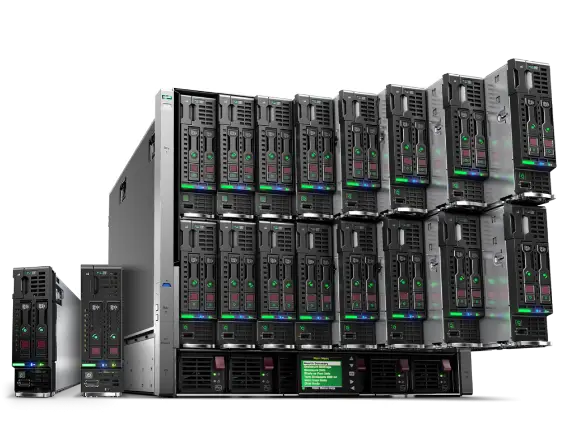
Published prices, no overselling and no hidden setup fees.
Paying annually lowers the effective monthly cost on every plan.
The same machines as our dedicated range, chosen for the cases where a shared platform is not an option: database tiers under sustained load, licensing tied to physical cores, and data you need to keep inside a boundary you control.
Some databases and enterprise software are licensed per physical core. A dedicated machine gives you a fixed, countable core topology.
Up to 64 cores and 192 GB of memory, with nothing else competing for them at your busiest hour.
A single tenant on the hardware, a location you choose, and full disk control including encryption at rest that you hold the keys to.
Every change runs through the ticket system, so what was done and when stays on the account — useful when an auditor asks.
Dedicated hardware is prepared by hand, not provisioned automatically. After the order is paid we allocate the machine, install the operating system you asked for and hand over access. Open a ticket if you have a deadline and we will tell you where the queue stands.
A VDS gives you dedicated AMD EPYC cores on shared hardware and starts far lower. A dedicated server is the whole physical machine with IPMI/iLO access. If you need the metal — licensing tied to hardware, full disk control, sustained maximum load — take the dedicated server; otherwise a VDS usually costs less for the same work.
No. These are unmanaged machines: you hold root or Administrator and you run your own stack. We look after the hardware, the network and the power.
Yes, both on request. Additional IPs are subject to justification under the network provider policy; extra disks are quoted per machine. Open a ticket with what you need.
We replace the failed component. Your data is your responsibility — take your own backups, and tell us in the ticket if a disk holds something that must be preserved during the swap.